

How Virtual Reality Is Changing the Way We Watch Sports
Watching sports has come a long way from sitting in front of a television. Today, fans can stream games from almost anywhere, interact with live statistics, and even choose different camera angles. The next major leap is already underway: Virtual Reality (VR). By combining immersive technology with high-speed internet and cloud computing, VR is transforming sports viewing into an experience that feels remarkably close to being inside the stadium.
As VR hardware becomes more affordable and streaming technology continues to improve, sports organizations and broadcasters are finding new ways to bring fans closer to the action than ever before.
Bringing Fans Into the Game
Virtual Reality replaces the traditional "watching from the couch" experience with a fully immersive environment. Instead of viewing a match on a flat screen, fans wearing a VR headset can look around a virtual stadium, choose their viewing position, and feel as though they are sitting courtside or behind the goal.
Some platforms are already experimenting with multiple virtual camera positions, allowing viewers to switch perspectives instantly. Whether it's watching a Formula 1 race from the pit lane or following a football match from the front row, VR creates a level of engagement that traditional broadcasts cannot match.
More Than Just a Better View
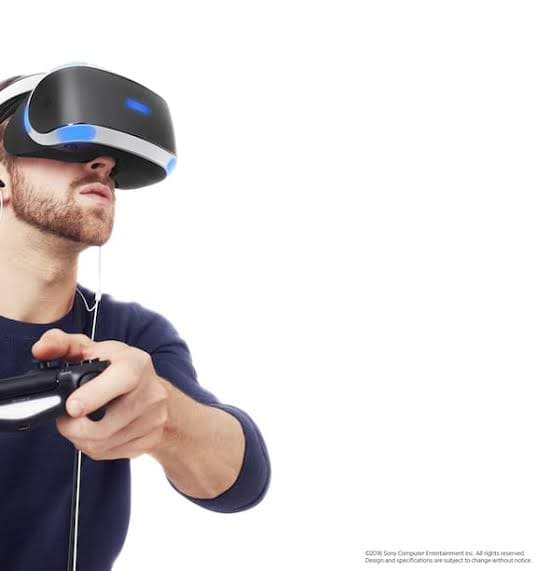
VR also introduces interactive features that make watching sports more engaging. Fans can access live player statistics, instant replays, and match analytics without leaving the virtual environment. Future broadcasts may even allow users to customize commentary, view tactical overlays, or watch alongside friends in shared virtual spaces regardless of where they are physically located.
Advances in cloud computing and faster internet connections are making these experiences possible by delivering high-resolution video with lower latency, creating smoother and more realistic virtual environments.
Security Matters in the Streaming Era

As online sports streaming continues to grow, so does the number of unofficial websites claiming to offer premium sports subscriptions. While these sites often advertise attractive prices or exclusive access, they can expose users to phishing scams, malware, stolen payment information, and unreliable streams that fail during live events. Choosing a trusted streaming provider is just as important as choosing the right device or internet connection.
Website operators also have a responsibility to keep their platforms secure. Regular security testing helps identify weaknesses before they can be exploited by attackers. Services such as SafeShopper.com help website owners improve trust by scanning websites for security vulnerabilities, allowing them to identify potential risks and strengthen their online security before they affect customers. Proactive security assessments can play an important role in creating a safer experience for sports fans who subscribe and stream online.
Expanding Access to Live Sports
One of VR's greatest advantages is accessibility. Fans who cannot travel to major sporting events due to distance, cost, or limited ticket availability can still enjoy an immersive experience from home. This opens new opportunities for leagues, teams, and broadcasters to reach global audiences while offering premium digital experiences that complement traditional broadcasts.
As VR technology becomes more widely adopted, smaller sports organizations may also benefit by creating virtual experiences for fans without investing in expensive physical infrastructure.
The Future of Sports Viewing
Virtual Reality is still evolving, but its potential is enormous. Combined with artificial intelligence, augmented reality, ultra-fast internet, and cloud-based streaming, future sports broadcasts could become fully personalized. Fans may be able to choose their seat location, receive customized statistics, interact with virtual commentators, or even experience games from a player's perspective.
While traditional television will continue to have its place, immersive technologies are redefining what it means to watch live sports.
Conclusion
Virtual Reality represents the next evolution in sports entertainment. By delivering immersive experiences, interactive features, and greater accessibility, VR is changing how fans connect with their favorite teams and events.
At the same time, the continued growth of online sports streaming makes security more important than ever. Choosing legitimate streaming platforms and ensuring those platforms are regularly tested for security vulnerabilities helps protect both businesses and fans. As technology continues to advance, the combination of immersive viewing and stronger online security will shape the future of sports entertainment.