
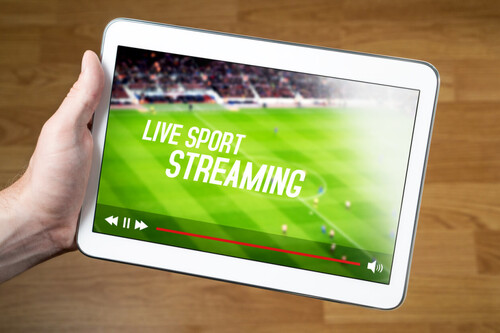
The Evolution of Live Sports Streaming: From Cable to Cloud
Live sports have always captured the imagination of fans worldwide. From the roar of packed stadiums to living room watch parties, watching sports together has long been a social tradition. For most of the 20th century, television networks and later cable broadcasters dictated how fans experienced these events. Yet, in just two decades, the rise of faster internet, powerful computing, and cloud-based platforms has completely reshaped the way sports are consumed. Today, live streaming is no longer a novelty it has become the dominant medium.
The Cable Era: When Broadcasters Ruled the Game
In the 1980s and 1990s, cable television was the king of sports broadcasting. Dedicated channels like ESPN, Sky Sports, and Fox Sports delivered 24/7 coverage, from major tournaments to niche competitions. The business model was simple: fans paid for cable packages, advertisers paid for commercial slots, and leagues signed lucrative deals with broadcasters to secure airtime.
This centralized system worked well for decades, but it had limits. Viewers were tied to their living rooms, games were restricted to regional availability, and coverage favored mainstream sports. Fans of smaller leagues or international competitions often found themselves excluded.
Early Online Experiments
The first signs of disruption appeared in the late 1990s and early 2000s, when experimental sports streams popped up on websites. These early broadcasts were low-resolution and prone to buffering, but they showed a glimpse of the future: fans could watch games anywhere with an internet connection.
Events like the 2000 Sydney Olympics included online highlights for the first time, and by the mid-2000s, platforms such as MLB.tv began offering subscription-based streaming for baseball fans. These services were pioneers, proving that audiences were ready for a digital shift.
Broadband, Devices, and the Cloud: A Perfect Storm
Three forces powered the explosion of sports streaming:
Broadband Internet – High-speed connections reduced buffering and allowed HD-quality streams, making online broadcasts rival cable in quality.
Smart Devices – Smartphones, tablets, and smart TVs gave fans the ability to watch games anytime, anywhere. This mobility was a game changer.
Cloud Infrastructure – Scalable cloud systems allowed millions of users to watch simultaneously without servers crashing, something early streams often struggled with.
By the 2010s, streaming wasn’t just an alternative it was becoming the preferred choice for younger, tech-savvy audiences.
Streaming Takes the Lead
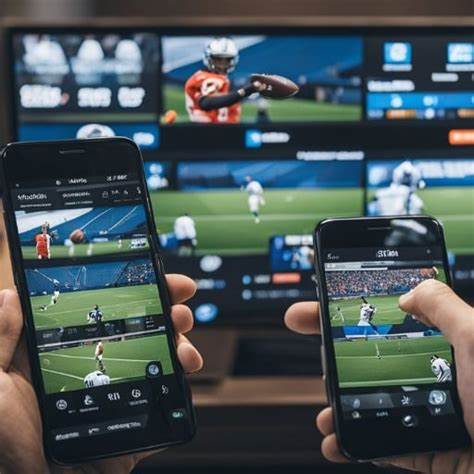
The rise of dedicated sports streaming services marked a turning point. Platforms like ESPN+, DAZN, and NBC’s Peacock began offering live games directly to fans. Meanwhile, tech giants such as Amazon, Apple, and Google entered the race by securing rights to major leagues like the NFL, Premier League, and MLB.
Streaming also introduced features traditional cable couldn’t match:
Multiple camera angles and replays at the viewer’s control
Real-time stats and interactive graphics
On-demand highlights immediately after the match
Community engagement through live chats and social media integration
For many fans, watching sports became a richer, more personalized experience than ever before.
The Business Revolution
The shift to streaming didn’t just change how fans watch it transformed the entire sports media industry. Traditional broadcasters, once unbeatable, found themselves competing with tech companies and niche platforms. Rights deals became fragmented, with fans needing multiple subscriptions to follow different leagues.
At the same time, leagues and teams discovered new opportunities. By going direct-to-consumer, they could connect with fans worldwide, collect valuable viewing data, and build new revenue streams. For example, the NBA has invested heavily in its League Pass platform, reaching audiences in markets where cable deals were previously weak.
Challenges of the Streaming Era
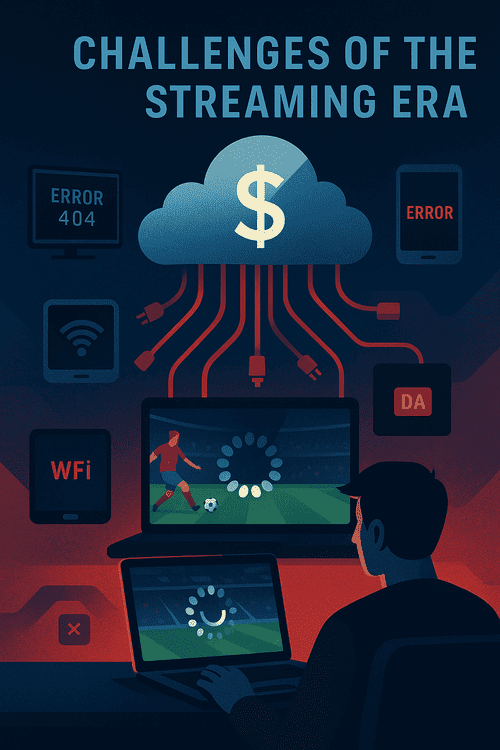
Despite its growth, live sports streaming faces challenges:
Latency: Streams often lag behind live broadcasts, leading to spoilers on social media.
Fragmentation: With rights split across multiple platforms, fans can feel frustrated by subscription overload.
Access Inequality: In regions with poor internet infrastructure, traditional TV still dominates.
Piracy: Illegal streams continue to undermine official broadcasters and rights holders.
These hurdles highlight that while streaming has taken the lead, it still has work to do to reach universal accessibility.
The Future: Cloud-Powered Immersion
Looking ahead, sports streaming will likely become even more immersive:
5G networks will reduce latency, making streams nearly real-time.
Virtual and Augmented Reality (VR/AR) could allow fans to watch from a “virtual seat” inside the stadium.
AI-powered personalization might generate highlight reels based on a fan’s favorite team or player.
Multi-language commentary on demand could make sports even more global and accessible.
The convergence of technology, cloud power, and fan demand means the way we consume live sports will keep evolving. What started as pixelated online experiments is now shaping the global sports culture of the future.
Conclusion
From cable television’s dominance to today’s cloud-powered platforms, the journey of live sports broadcasting reflects the broader digital transformation of media. The shift to streaming has not only given fans more control but has also opened new opportunities for leagues and broadcasters. While challenges remain, one thing is clear: the future of sports is live, interactive, and online.