

Sports have been part of cinema almost as long as moving images themselves. From grainy black and white footage of boxing matches in the early 20th century to glossy stadium epics in modern blockbusters, filmmakers have used sports to tell stories about ambition, struggle, loyalty and identity. Personally, I find it fascinating how the same simple act of chasing a ball or crossing a finish line can carry such different meanings from decade to decade.
Sometimes when I watch these early sports scenes, I am surprised at how emotional they can feel even without sound or complex storytelling.

Early 20th Century: Documenting Athletic Feats
In the earliest days of film, sports on screen were often little more than filmed events. Short reels showed boxing matches, cycling races or track competitions. These films were basically moving postcards of athletic achievement. There was little plot, no character development and almost no attempt to dramatize what was happening. The novelty was in seeing motion itself, plus the thrill of watching famous athletes of the time.
As storytelling in cinema improved, sports began to appear in narrative films. Boxing was an early favorite because a ring is visually simple and the stakes are easy to understand. Early boxing stories focused on underdogs, corrupt promoters and the physical toll of the sport, even before sound entered the picture. These themes set the stage for many sports films that would follow.
The Golden Age: Sports as Moral Lessons
From the 1930s to the 1950s, Hollywood used sports to tell inspirational stories about fairness, perseverance and community. Baseball, American football and horse racing became popular subjects. Films of this era often showed heroic players who followed the rules, respected their coaches and won the big game through hard work and teamwork. The message was clear: sports were a metaphor for a good life and good citizenship.
These films embraced clear heroes and villains. Whether it was a corrupt owner, a selfish player or an outsider who needed to learn discipline, audiences knew who to root for. Sports were tidy, moral and usually ended in a triumphant final shot of victory, a trophy or a cheering crowd.
New Realism and Complexity: 1960s to 1990s
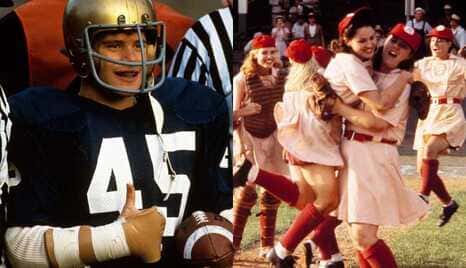
As cinema became more experimental and socially aware, sports films changed too. Instead of simple heroic narratives, filmmakers explored the darker edges: exploitation of athletes, racism in team sports, commercial pressures and the emotional cost of failure. Biographical sports movies appeared more frequently, telling the real stories behind famous names, often with a mix of glory and pain.
In this period, sports movies also became more personal. Stories focused on individual players struggling with identity, family expectations and mental health. Training montages, locker room speeches and bittersweet endings became part of the language of sports videos. Sports were no longer just about winning or losing, they were about who you became in the process.
Modern Sports Films: Spectacle and Intimacy
Today, modern sports movies blend high tech filmmaking with intimate storytelling. Advanced cameras capture slow motion details, sweat droplets, turf flying from the field and the roar of the crowd in immersive surround sound. At the same time, scripts dive deep into characters and tackle topics like gender, sexuality, politics and the business side of sports.
We see documentaries that follow entire seasons of teams, fictional dramas that explore locker room tensions, and comedies that use sports as a backdrop for friendship and found families. It feels like there is a sports film for almost every mood: inspirational, tragic, funny, nostalgic or confrontational.
Sports On Screen And Sports On Streaming
While sports movies tell crafted, scripted stories, live sports have found a powerful home on streaming platforms. Instead of waiting for a film about a famous match, viewers can now stream the match itself, sometimes with multiple camera angles, live commentary in different languages and real time statistics on their screens.
Streaming services have turned sports into a constant presence. Fans can watch major league games, lower division matches and niche sports that would never have appeared in traditional cinema or even on regular television. Highlight packages, behind the scenes mini documentaries and player interviews are available on demand, sitting side by side with sports films in the same digital libraries.
This creates a new relationship between sports on screen and the viewer. You can watch a classic football movie one moment and then switch over to a live match from another country with a few clicks. Personally, I like this blend of scripted drama and real unscripted tension, it makes being a fan feel richer and more flexible than ever.

Nostalgia, DVDs And Watching Sports Movies At Home
Even with streaming everywhere, there is something deeply comforting about watching a favorite sports movie on a physical disc. DVDs of classic movies may feel older compared to modern digital subscriptions, yet they offer a kind of certainty. The movie is there, on the shelf, not subject to licensing changes or disappearing from a catalog overnight.
Imagine a quiet evening in your living room. You pick an older sports movie on DVD, maybe one with a grainy look and a simple underdog story. You put the disc in the player, hear the familiar hum of the drive and settle into your couch. The opening credits roll, the stadium lights fill the screen and for a couple of hours you are transported into that world. For me, moments like that are a reminder that cinema is not only about technology, it is about rituals and comfort too.
There is a warm nostalgia in knowing that you can still watch older movies on DVD in the comfort of your living room, even while live sports stream on your laptop or smart TV. The old format and the new technologies can coexist nicely. One gives you permanence and a physical connection, the other gives you immediacy and access to events as they happen. Together, they show how deeply sports belong on our screens, whether they arrive on a silver disc or through a fiber cable.